Dallas sits in the heart of the worst hail corridor in the United States, on ground that moves under the house. The Dallas-Fort Worth metroplex has absorbed some of the costliest hailstorms in Texas history — the May 1995 Mayfest storm caused around $1.1 billion in damage, and an April 2012 storm brought roughly $750 million, with baseball-size hail across Dallas, Tarrant, and Denton counties, according to the Insurance Council of Texas. For a city of 1.3 million where the median owner-occupied home is valued at $295,300 and 42.4% of housing is owner-occupied, that means siding here faces constant impact risk on top of heat and shifting clay soil. This page covers what the local climate and ground do to siding, which materials fit, the services local contractors offer, and the siding companies serving Dallas.
Local conditions: what Dallas does to siding
Hail leads everything. Dallas sits where warm Gulf moisture meets dry plains air to build the storms that produce large hail, with a spring peak of roughly March through May. That hail cracks, dents, and punctures siding, and because roofs take the obvious hit, siding damage is routinely missed until hidden water rots the sheathing behind it. Impact resistance is the first consideration for siding here.
The climate. At DFW Airport, the North Texas NOAA 1991–2020 normals put the annual average temperature at 66.6°F with 37.01 inches of rain a year and 20 days at or above 100°F. Summers of sustained heat and UV fade and embrittle siding on top of the storm damage.
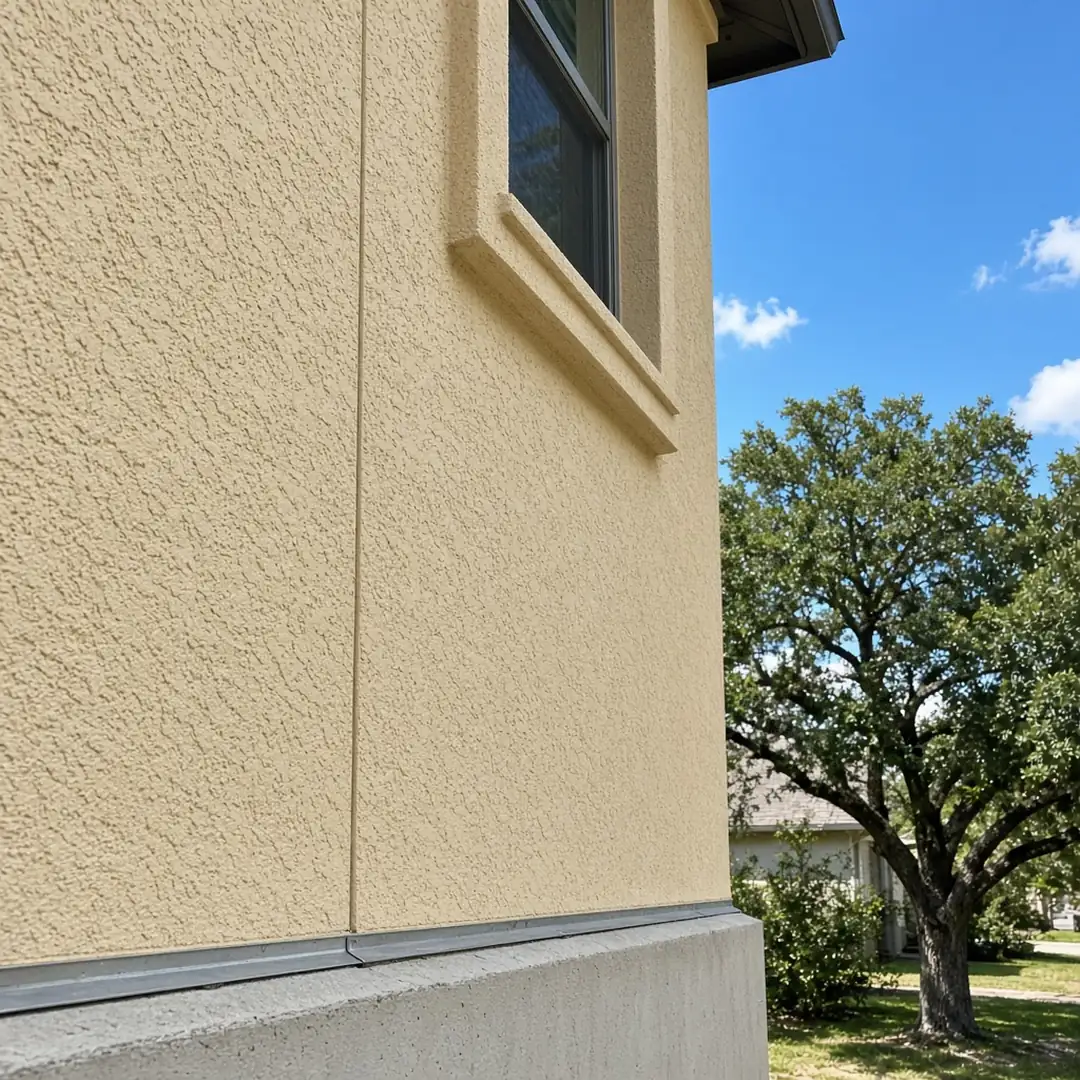
The ground moves. Dallas sits on the Blackland Prairie, with deep expansive clay that swells in the rain and shrinks in drought. That shrink-swell cycle shifts foundations, and rigid cladding pays for it — stair-step cracks in brick veneer, diagonal cracks in stucco. A crack on a Dallas home is frequently the wall reacting to the ground rather than a surface flaw.
Older, renter-heavy stock. Dallas has a wide range of housing, a large rental share (only 42.4% owner-occupied), and plenty of mid-century and older homes with aging siding, so work runs through landlords and property managers as well as homeowners.
Siding materials for Dallas homes
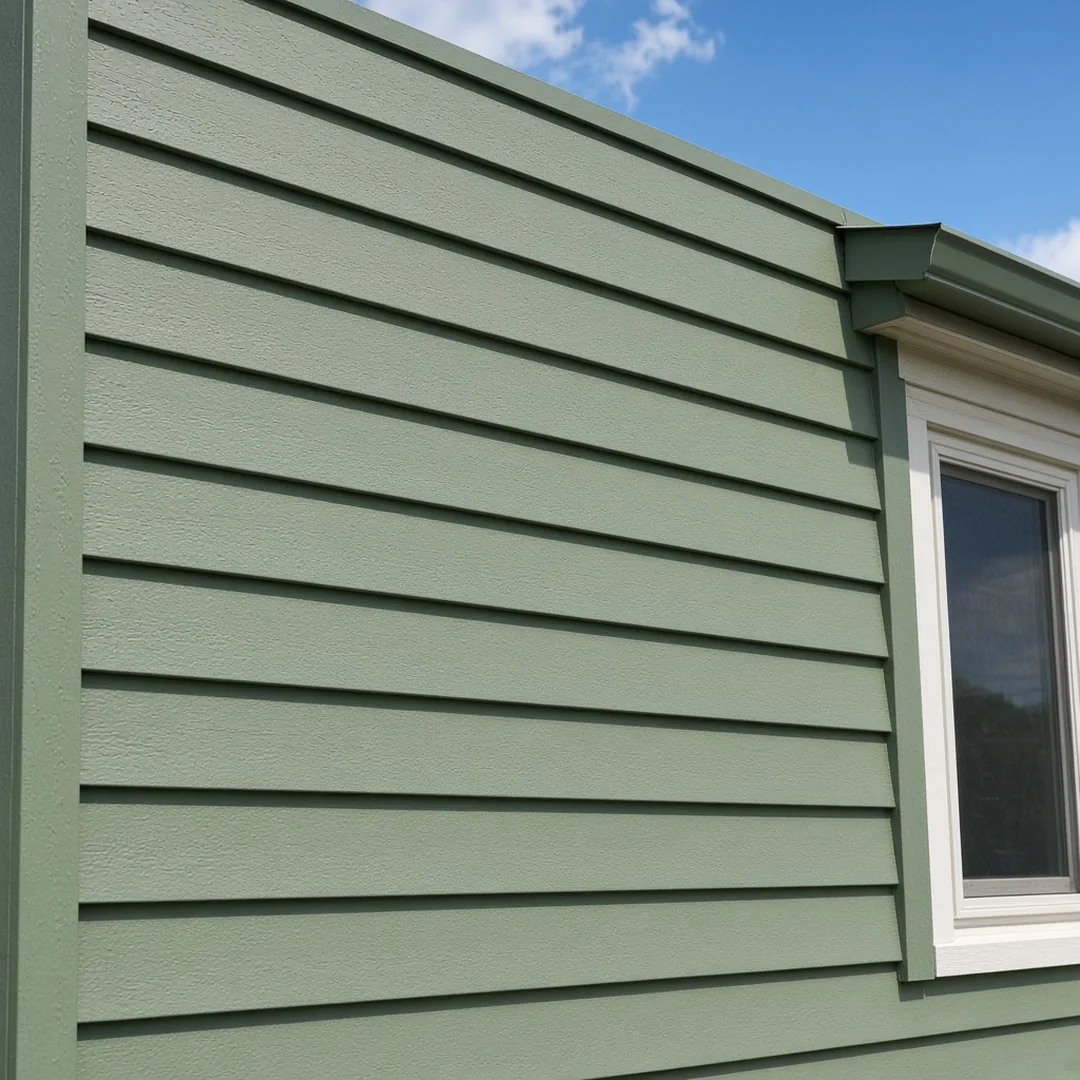
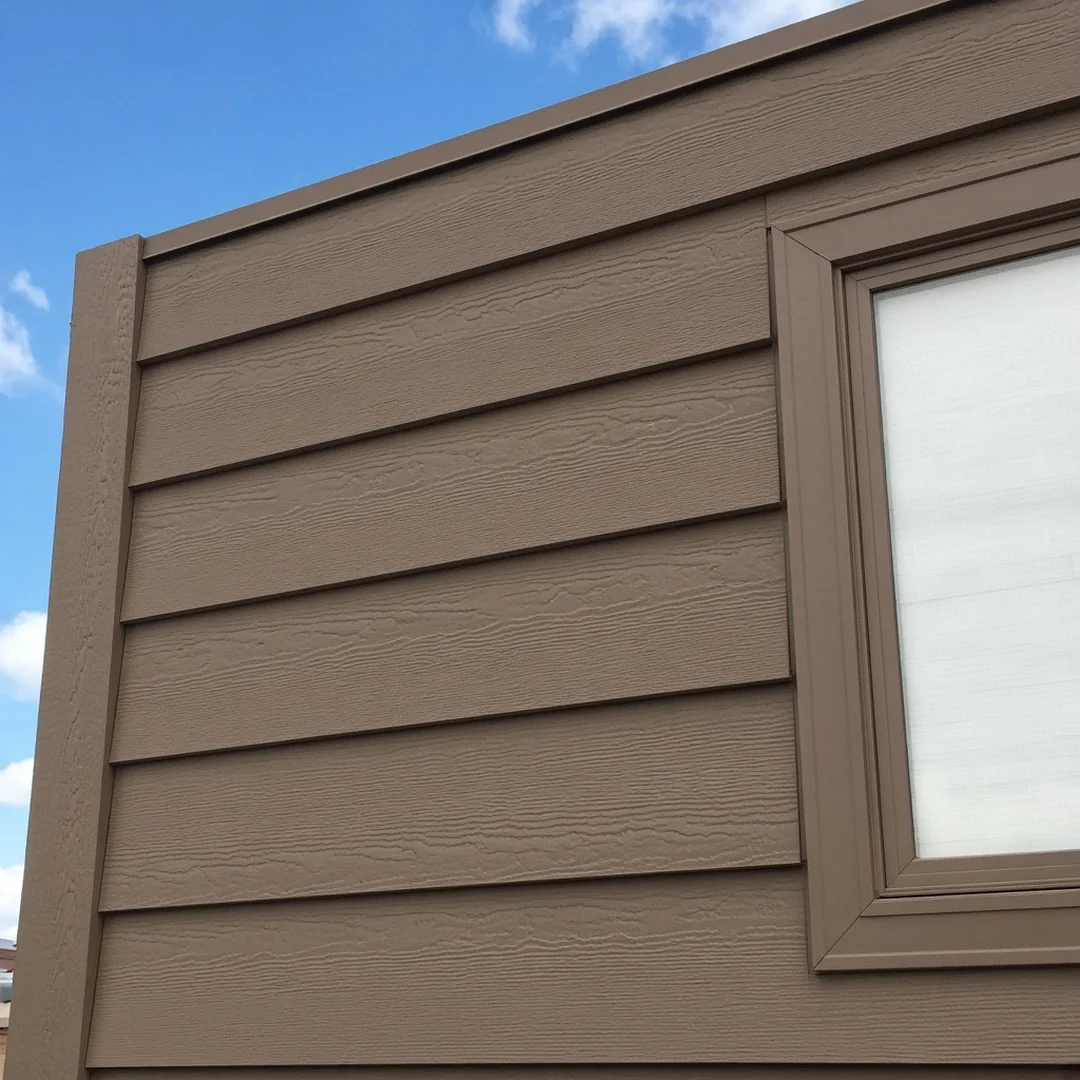
- Fiber cement — favored in North Texas for its impact and heat resistance; its dense body resists hail cracking better than most materials and it holds color under the sun.
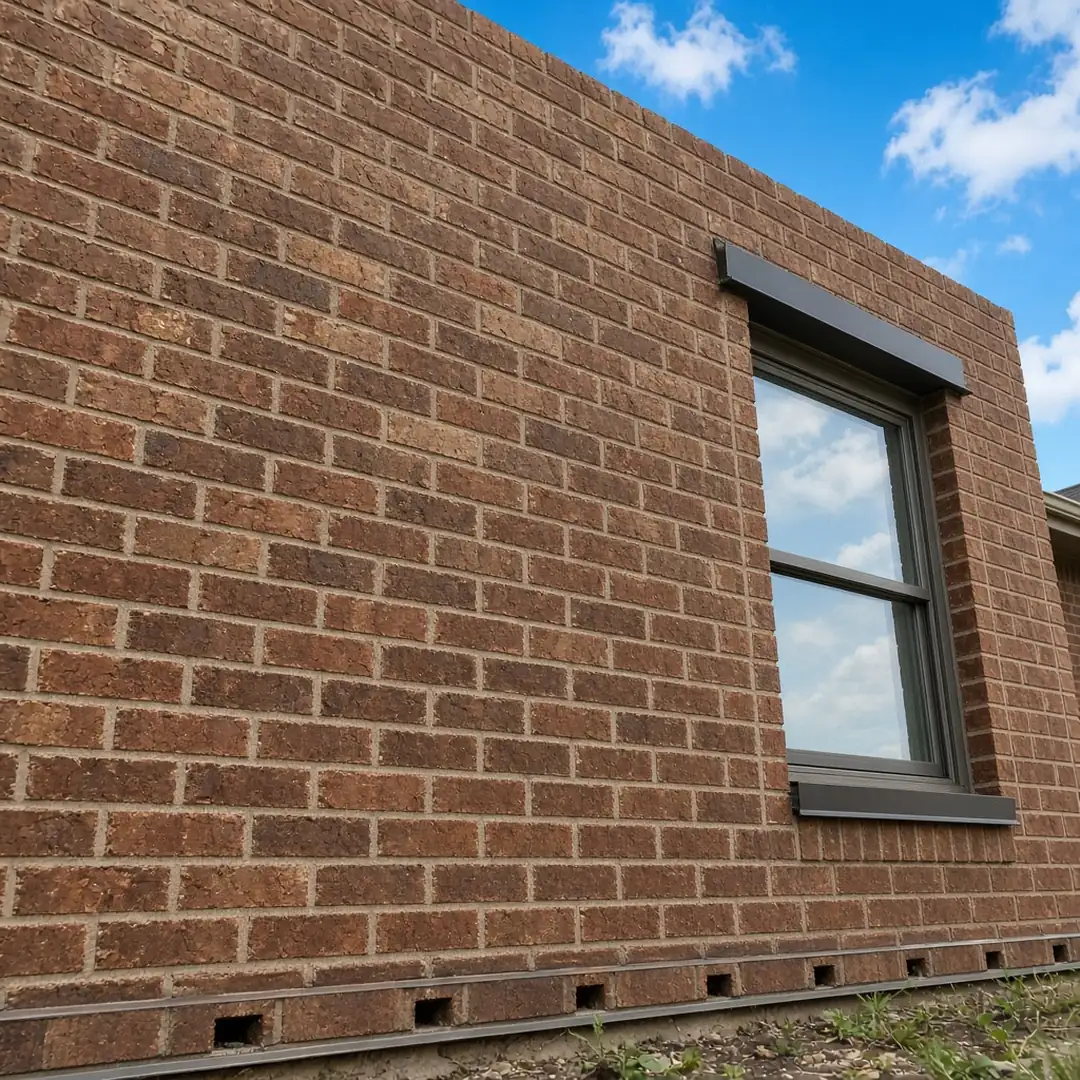
- Brick and stone veneer — the regional standard, near-maintenance-free and hail-proof, but on Dallas clay the cladding most prone to stair-step cracking when a foundation shifts.
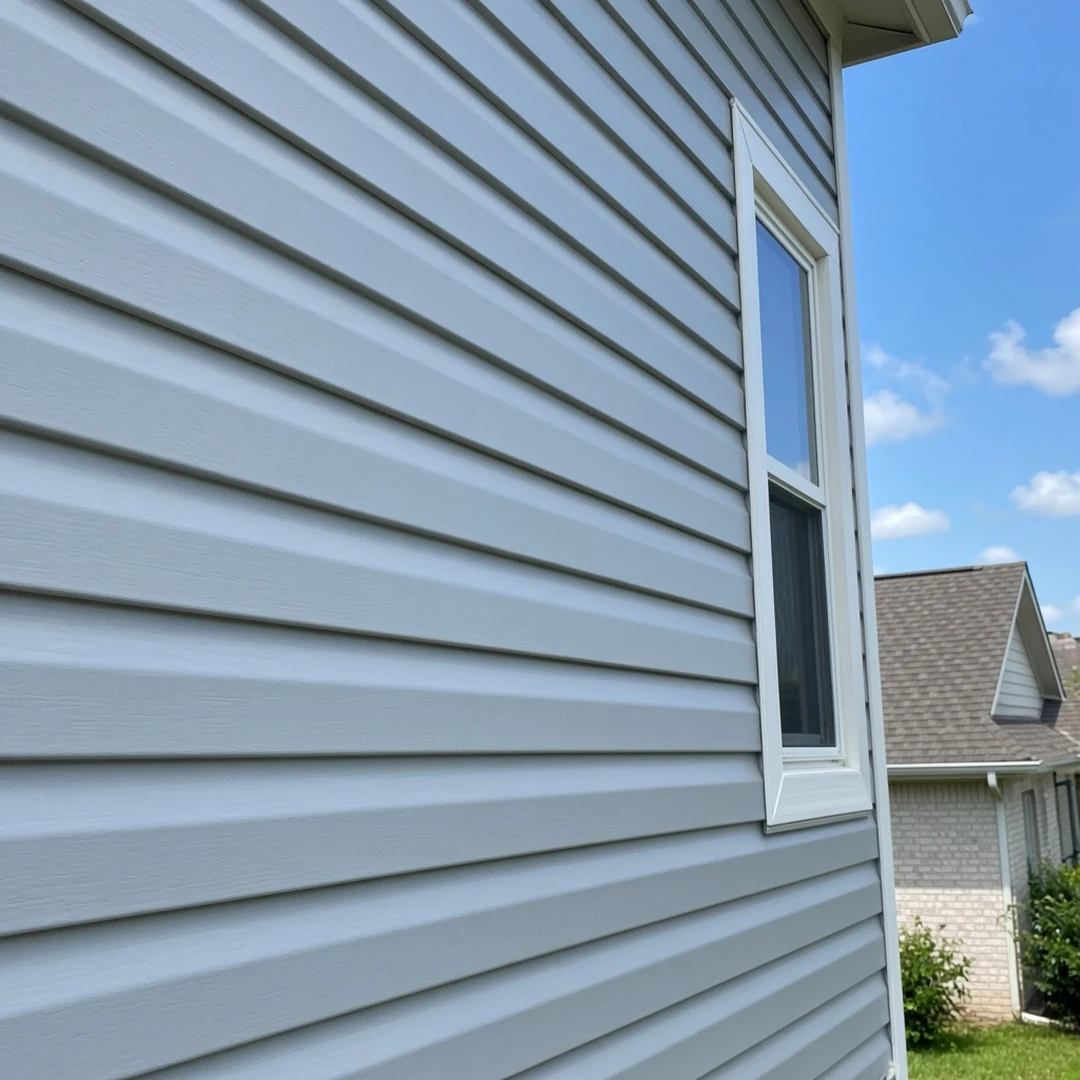
- Vinyl — the most hail-vulnerable option, common on older and budget homes and frequently the material being replaced after a storm.
- Engineered wood — a wood look with more impact and pest resistance than cedar.
- Metal — dents but rarely punctures; used on modern and commercial-style designs.
Siding services in Dallas
Siding installation in Dallas
Installation on new builds and additions starts with the water-resistive barrier and flashing behind the panels. In a hail region, the specification leans toward impact-resistant fiber cement and brick, matched to the home's exposure.
Siding replacement in Dallas
Replacement is often storm-driven — siding damaged beyond repair across multiple walls — and it is the moment many Dallas owners move off hail-vulnerable vinyl to fiber cement before the next season. A full tear-off also exposes the sheathing, catching hidden water damage from past storms.
Siding repair in Dallas
Repair covers hail-cracked and loosened panels, resealing, and patching. On Dallas clay it also means telling a cosmetic crack apart from one driven by foundation movement — a patch that ignores the cause will crack again.
Storm and hail damage repair in Dallas
This is a category of its own in Dallas. After a storm, siding is inspected alongside the roof for cracks, bruising, and water driven behind the cladding, damage is documented for insurance, and the affected sections are replaced before hidden rot sets in.
Common siding problems in Dallas
- Hail cracks, punctures, and bruising after spring storms, frequently missed while attention is on the roof.
- Stair-step brick cracks and diagonal stucco cracks from Blackland clay foundation movement.
- Hail-vulnerable vinyl failing on older and budget homes.
- UV fading and warping on sun-facing walls.
- Hidden sheathing rot from storm water that got behind the siding months earlier.
Siding Contractors Serving Dallas
The following companies provide siding work in the Dallas area. Listings are independent contractors and are provided for information only; verify current details directly with each company.
Listings are independent contractors shown for information only — no endorsement is implied, and there is no call-to-action attached to any listing. Verify current details directly with each company.
What to look for in a Dallas siding contractor
Dallas draws storm-chasing crews after every major hail event, so vetting is critical. Texas has no state siding license, so confirm the following yourself:
- General liability insurance verified directly from the insurer.
- A local physical address and verifiable Dallas-area siding jobs — not a number that appeared after a storm.
- A written scope covering the sheathing, water-resistive barrier, and flashing behind the panels, not just the surface.
- Clay-soil awareness — a contractor who checks whether a crack is cosmetic or foundation-driven before quoting.
- No deductible offers — anyone offering to cover or absorb your insurance deductible is proposing something illegal in Texas.
- No high-pressure signing — a legitimate contractor gives you a written scope and time, not a same-visit signature demand.
Call Us Now for a Siding Contractor in Dallas
Need to reach a siding contractor in Dallas for storm repair, replacement, or installation? Call Us Now and get connected with a local pro serving the Dallas area.