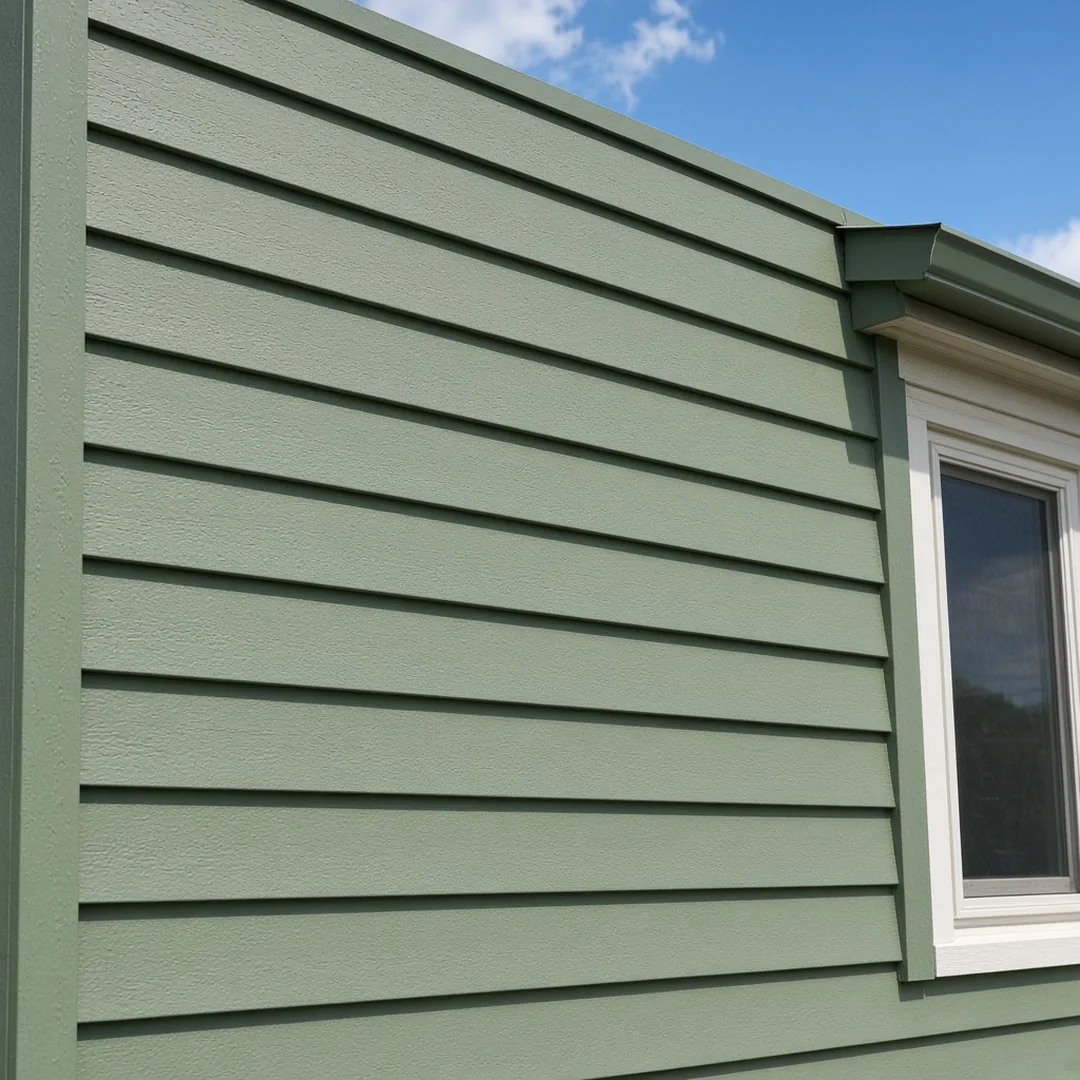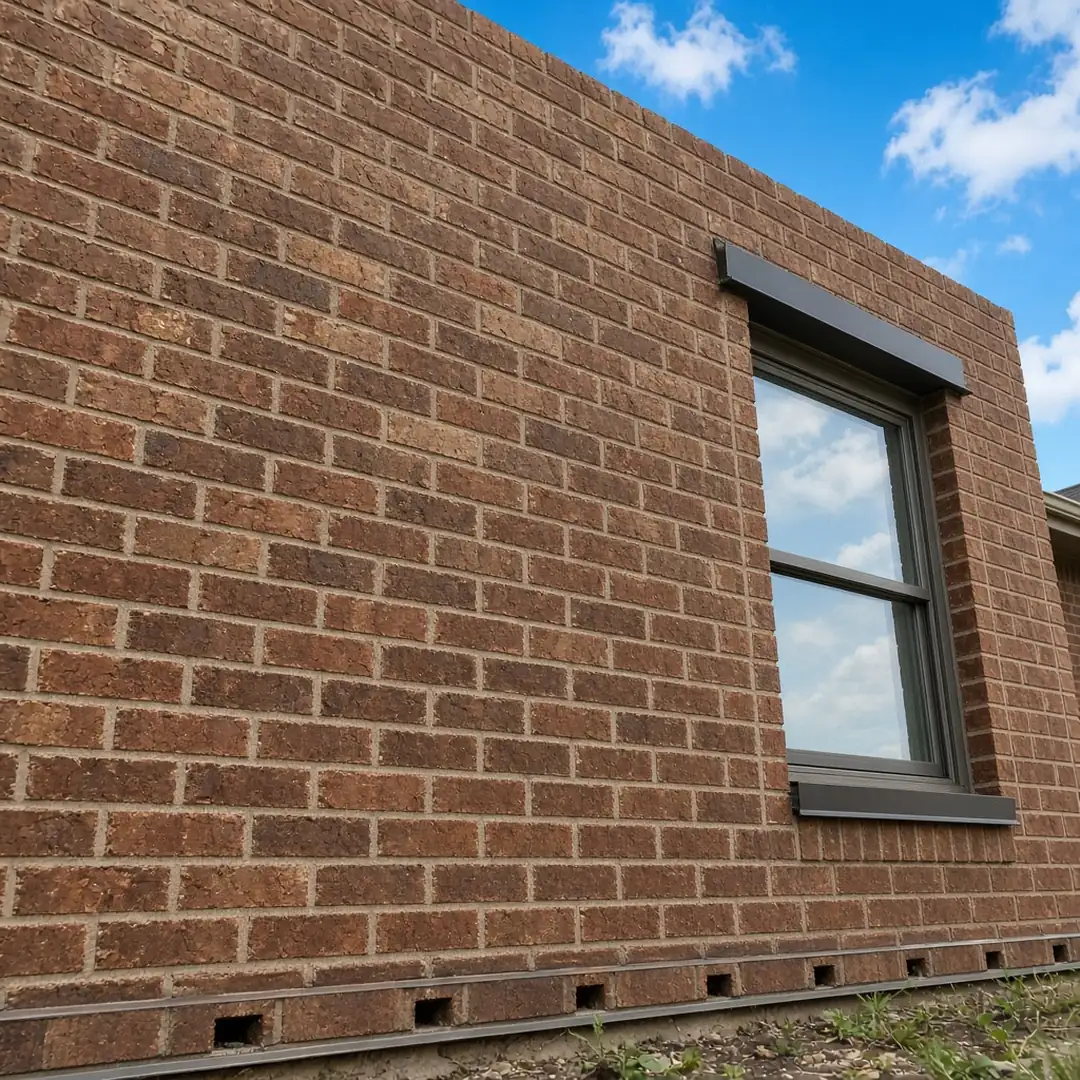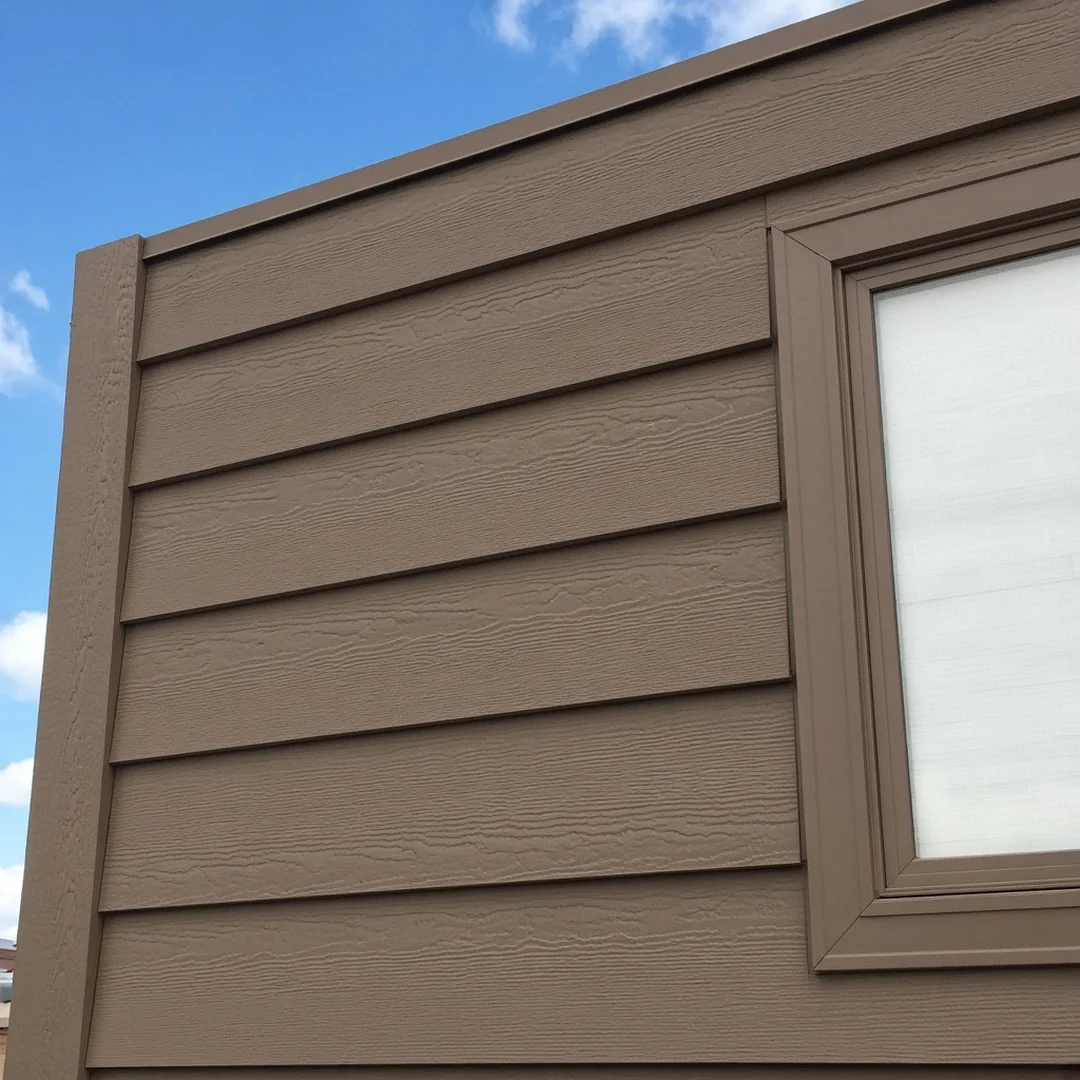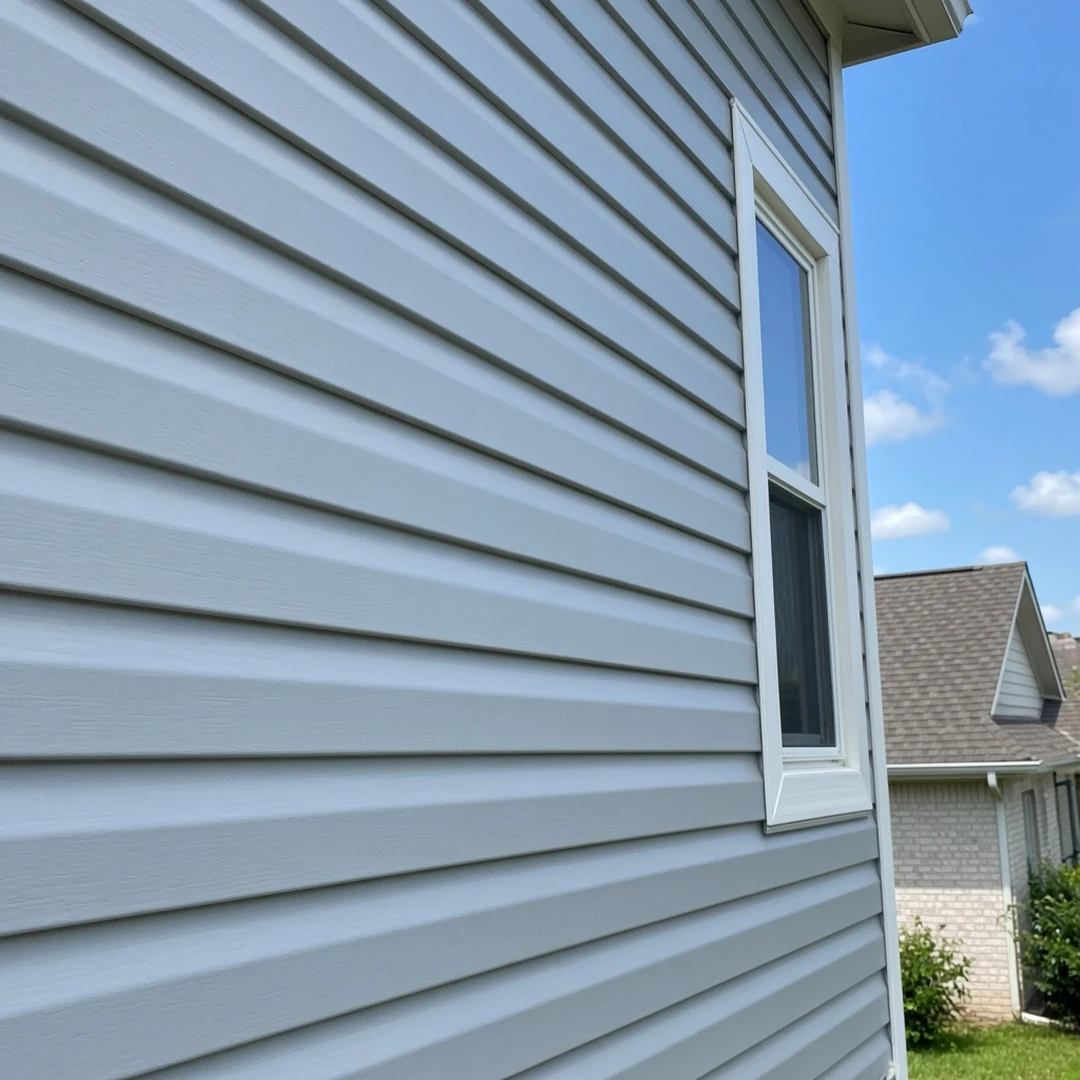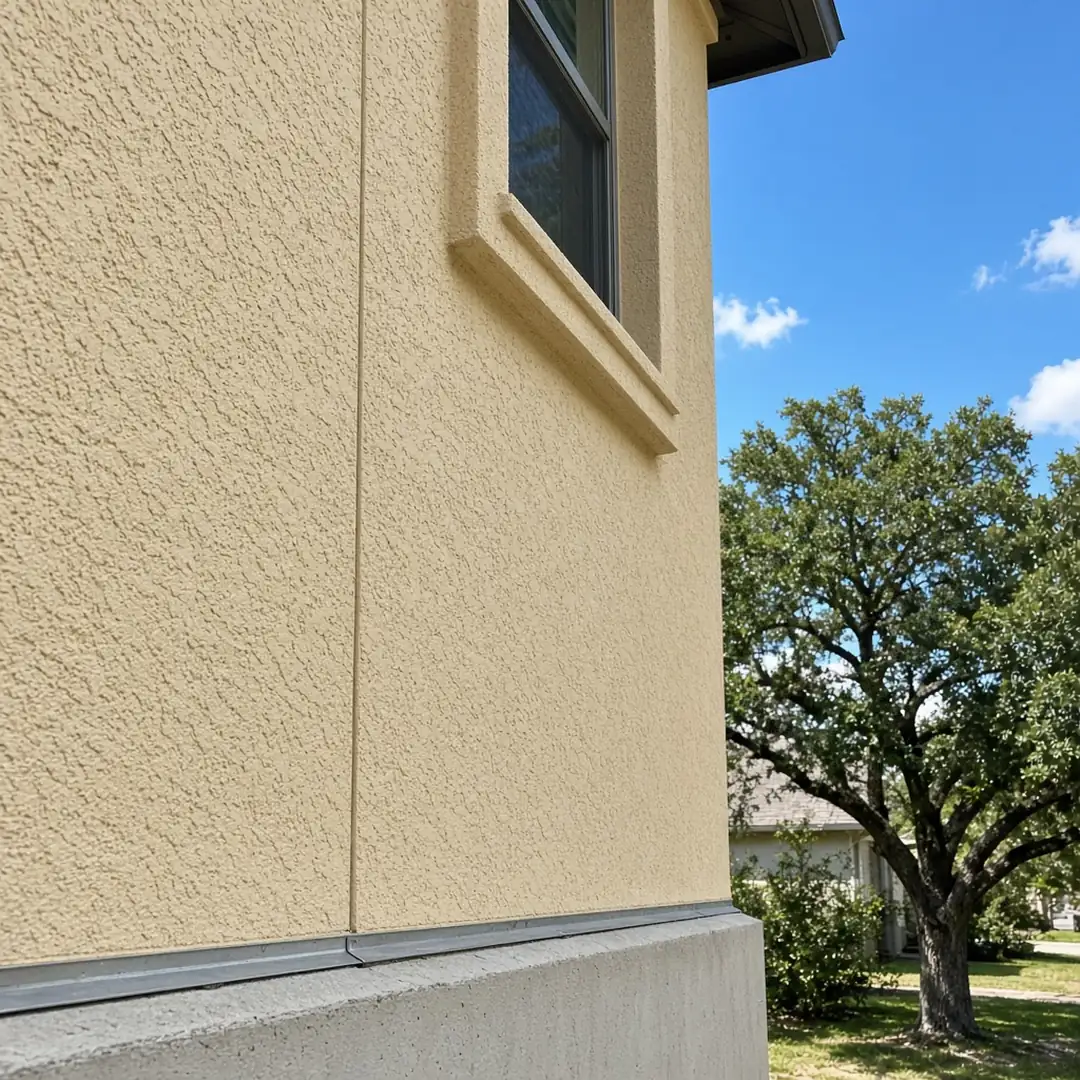
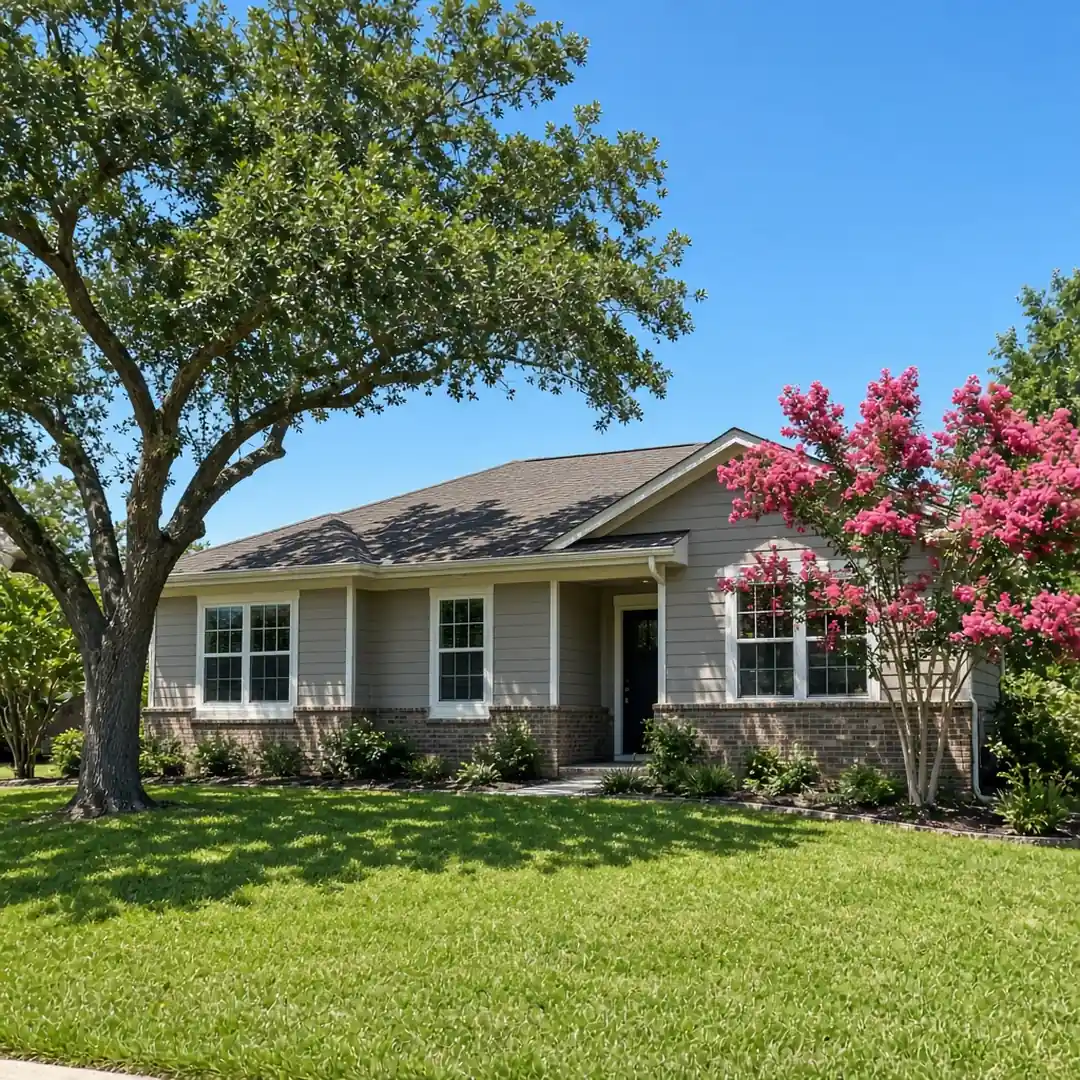
Fort Worth spans the widest range of housing in the metroplex — from historic early-20th-century neighborhoods to fast-growing new subdivisions on its edges — which makes its siding work the most varied in North Texas. With roughly 918,000 residents, a 56.7% owner-occupancy rate, and a median home value of $277,300, Fort Worth is a large, still-growing city where century-old wood siding and brand-new fiber cement exist side by side. All of it sits on the western edge of the Dallas-Fort Worth hail corridor and on expansive clay that shifts foundations. This page covers the local conditions, materials, services, and siding companies serving Fort Worth.
Local conditions: what Fort Worth does to siding
A wide span of housing ages. Fort Worth's stock runs from historic Fairmount and Near Southside homes with original wood siding, through mid-century and 1980s–90s suburbs, to new builds on the north and far west. That range means every kind of siding work happens here — restoring old wood, retiring aged hardboard and vinyl, and protecting new fiber cement — so the right approach depends heavily on the home's era.
The western hail corridor. Fort Worth sits on the western side of the Dallas-Fort Worth severe-storm zone, where storms frequently form and intensify. The 1995 Mayfest storm, which caused around $1.1 billion in damage, struck the Fort Worth side directly. Large spring hail cracks and dents siding, and because the roof takes the obvious damage, siding is frequently inspected only after a claim opens.
The climate. At the DFW Airport station, NOAA's 1991–2020 normals come to a 66.6°F yearly average, 37.01 inches of precipitation, and 20 days at or above 100°F. Decades of heat and UV are hard on Fort Worth's older wood and hardboard siding in particular.
Expansive clay underfoot. Fort Worth sits on Blackland Prairie clay, with Eagle Ford shale clays to the west, all of which swell and shrink with moisture and shift foundations. The result is stair-step cracks in brick veneer and cracks in trim, stucco, and old wood — frequently the wall reacting to the ground rather than a material fault.
Siding materials for Fort Worth homes
- Fiber cement — the leading replacement and new-build choice for its impact resistance, long color life, and ability to mimic historic wood profiles on older Fort Worth homes.
- Wood (legacy) — original on many historic Fort Worth neighborhoods; beautiful but maintenance-heavy, and frequently restored or replicated in fiber cement.
- Brick veneer — standard across Fort Worth's suburban stock, near-maintenance-free but prone to stair-step cracking when clay moves a foundation.
- Engineered wood — a durable wood look used both to replace aging cedar and on new elevations.
- Vinyl — common on budget and rental conversions and frequently the hail-aged material being replaced.
Siding services in Fort Worth
Siding installation in Fort Worth
New installation on additions, infill, and new subdivisions starts with the water-resistive barrier and flashing behind the panels, with material matched to the home's era — fiber cement that mimics historic profiles in older districts, modern lines on new builds.
Siding replacement in Fort Worth
Replacement spans the city's range — retiring aged hardboard and vinyl in suburban neighborhoods and replacing failed wood in historic districts. Many owners move to fiber cement, which can replicate an old wood look while standing up to hail and heat far better.
Siding repair in Fort Worth
Repair covers hail-cracked panels, rotted and peeling historic wood, loosened trim, and resealing. On Fort Worth clay it also means reading whether a crack is cosmetic or foundation-driven before patching.
Storm and hail damage repair in Fort Worth
After a storm on the western side of the corridor, siding is inspected with the roof for cracks, bruising, and wind-driven water, documented for insurance, and repaired before concealed moisture reaches the sheathing.
Common siding problems in Fort Worth
- Rotted, peeling, and failing original wood siding on historic-district homes.
- Aged hardboard and brittle vinyl on mid-century and 1980s–90s suburban stock.
- Hail cracks and dents after spring storms on the western corridor.
- Stair-step brick and wood-trim cracks from clay foundation movement.
- Hidden sheathing rot behind old wood and hardboard on original-stock homes.
Siding Contractors Serving Fort Worth
The following companies provide siding work in the Fort Worth area. Listings are independent contractors and are provided for information only; verify current details directly with each company.
Listings are independent contractors shown for information only — no endorsement is implied, and there is no call-to-action attached to any listing. Verify current details directly with each company.
What to look for in a Fort Worth siding contractor
Fort Worth's range of housing ages and its storm exposure make matching the contractor to the home essential. Texas has no state siding license, so confirm the following yourself:
- General liability insurance verified directly from the insurer.
- A local address and verifiable Fort Worth-area jobs — a track record, not a post-storm number.
- Experience with your home's era — historic wood restoration and new-build fiber cement are different skills; match the contractor to the house.
- A written scope covering the sheathing, water-resistive barrier, and flashing, not just the surface.
- No deductible offers — absorbing your insurance deductible is illegal in Texas.
- Time to decide — a legitimate contractor gives you a written scope, not a same-visit signing demand.
Call Us Now for a Siding Contractor in Fort Worth
Need a siding contractor in Fort Worth for storm repair, historic restoration, replacement, or new installation? Call Us Now and get connected with a local pro serving the Fort Worth area.