Leander is the newest and fastest-growing city in the Austin metro. Its population jumped roughly 48% from 2020 to an estimated 87,500 by 2024 in U.S. Census figures — among the fastest growth rates in the country — and its housing reflects that: a 75.6% owner-occupancy rate, a median owner-occupied home valued at $470,700, and 2.88 people per household, a city of young families in nearly-new homes. For siding, that means the work leans toward new installation and early-life care rather than the aging-stock replacement seen in older suburbs. This page covers what Leander's climate and ground do to siding, which materials fit, the services local contractors offer, and the siding companies serving the area.
Local conditions: what Leander does to siding
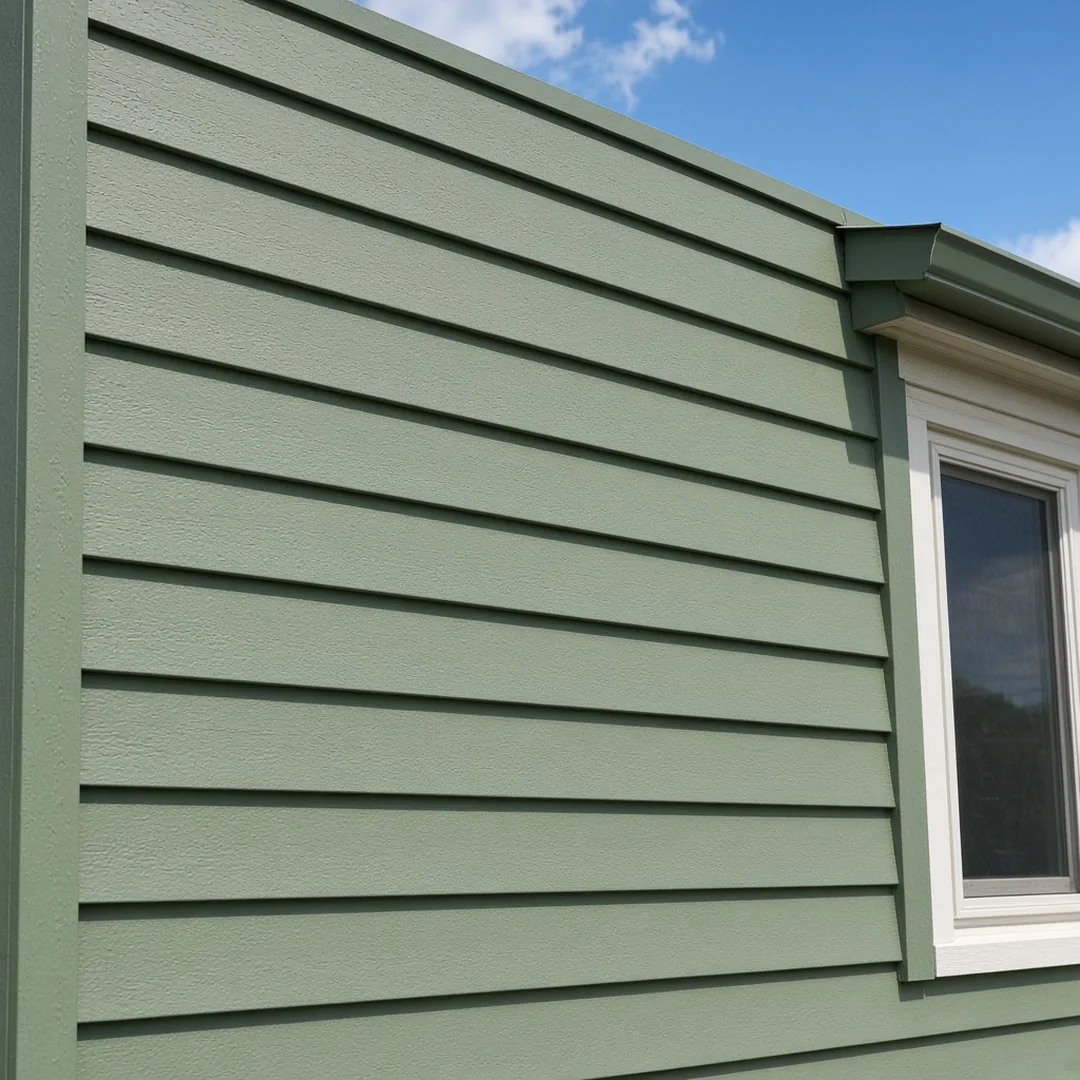
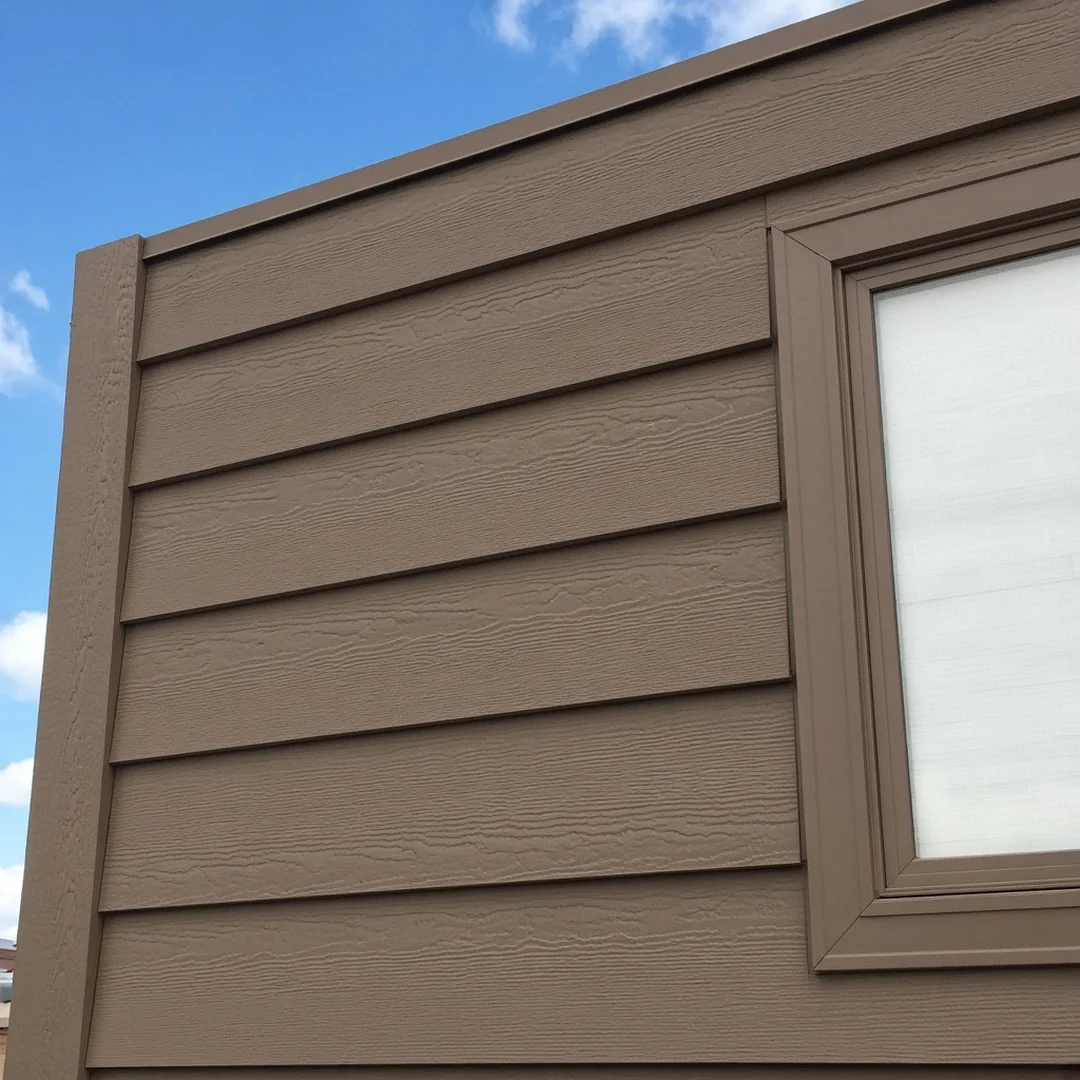
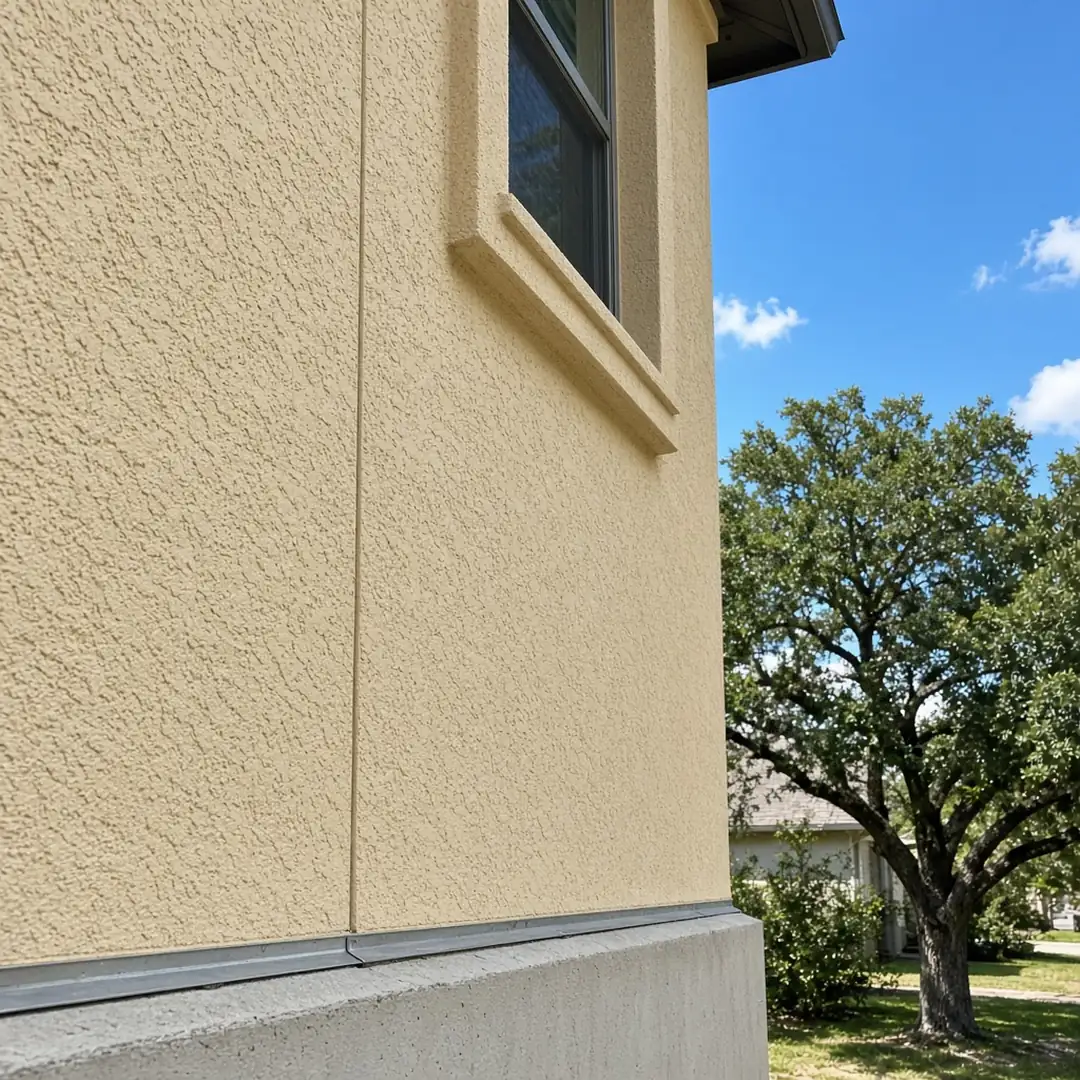
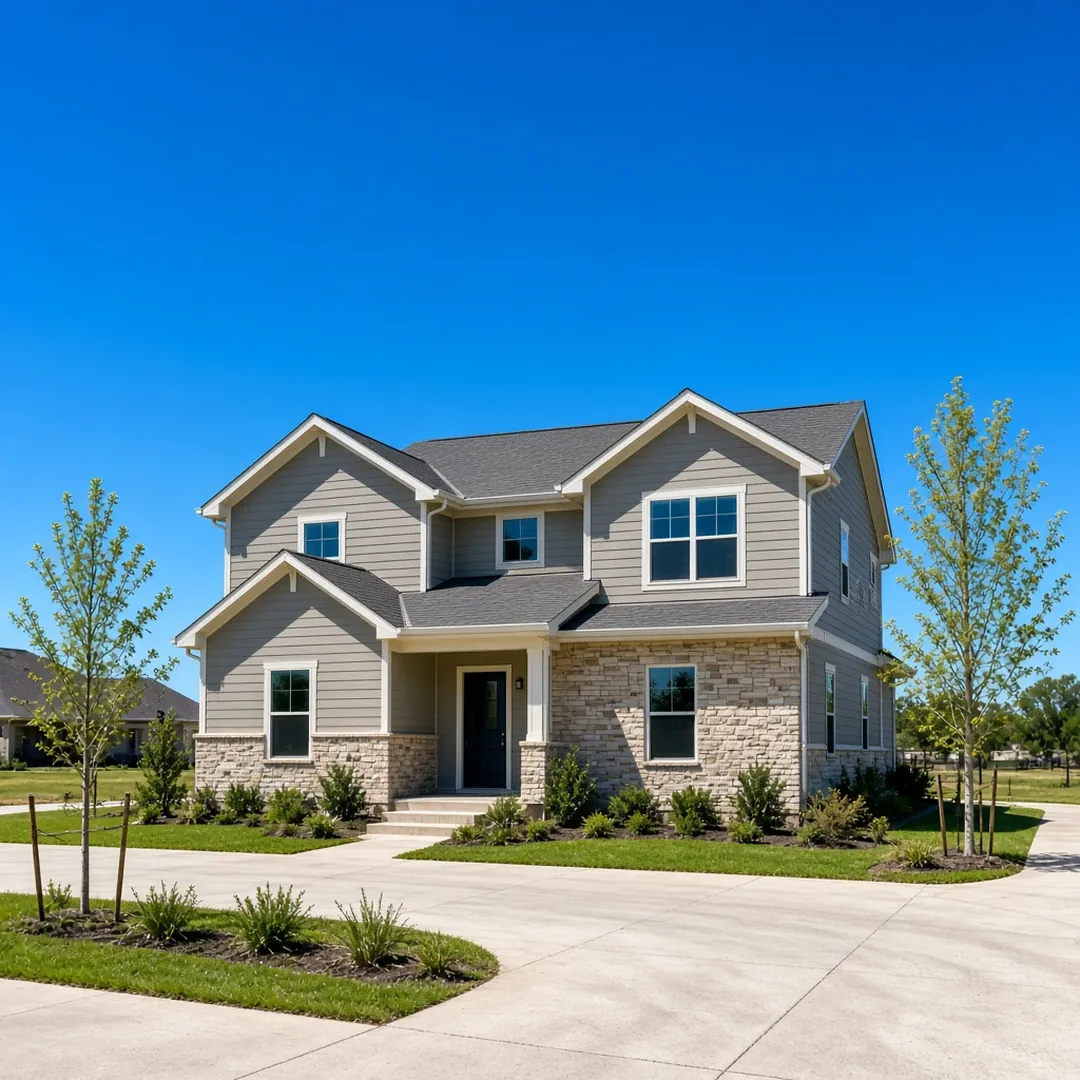
This is a new-construction city. Because so much of Leander has gone up in the last decade or two, most homes already wear fiber cement — the material Central Texas builders favor for its heat and UV resistance and color retention. That shapes the work: instead of ripping out failed vinyl, Leander's siding work is more new installation on the subdivisions still rising, warranty-age repair where a builder's install has a weak point, and the occasional storm fix. It will be years before the bulk of Leander's siding reaches a full replacement cycle, so installation quality matters most now.
Heat and UV lead the wear. Leander shares the Austin-metro climate; at the Camp Mabry station, the Austin-area NOAA 1991–2020 normals show an annual average temperature of 70°F, about 36.25 inches of rain a year, 122.8 days at or above 90°F, and 29 days at or above 100°F. Even on new fiber cement, that heat and the flashing behind the panels decide how the wall performs long-term, and sun-facing walls take the brunt.
Rocky ground, not deep clay. Leander sits largely west of the Balcones Escarpment, on the limestone and caliche of the Edwards Plateau edge rather than the deep Blackland clay to the east. That means less of the expansive-clay foundation movement that cracks brick and stucco in east-metro suburbs — here the siding story is more about pure heat, UV, and getting a new build's details right than about soil shift.
Hail is secondary. Spring storms reach the area with hail less frequently than in Dallas-Fort Worth; fiber cement, which most Leander homes already have, is among the more impact-resistant materials.
Siding materials for Leander homes
- Fiber cement — already on most Leander homes and the default for the climate; holds color and resists heat, so re-cladding to anything else is rare here.
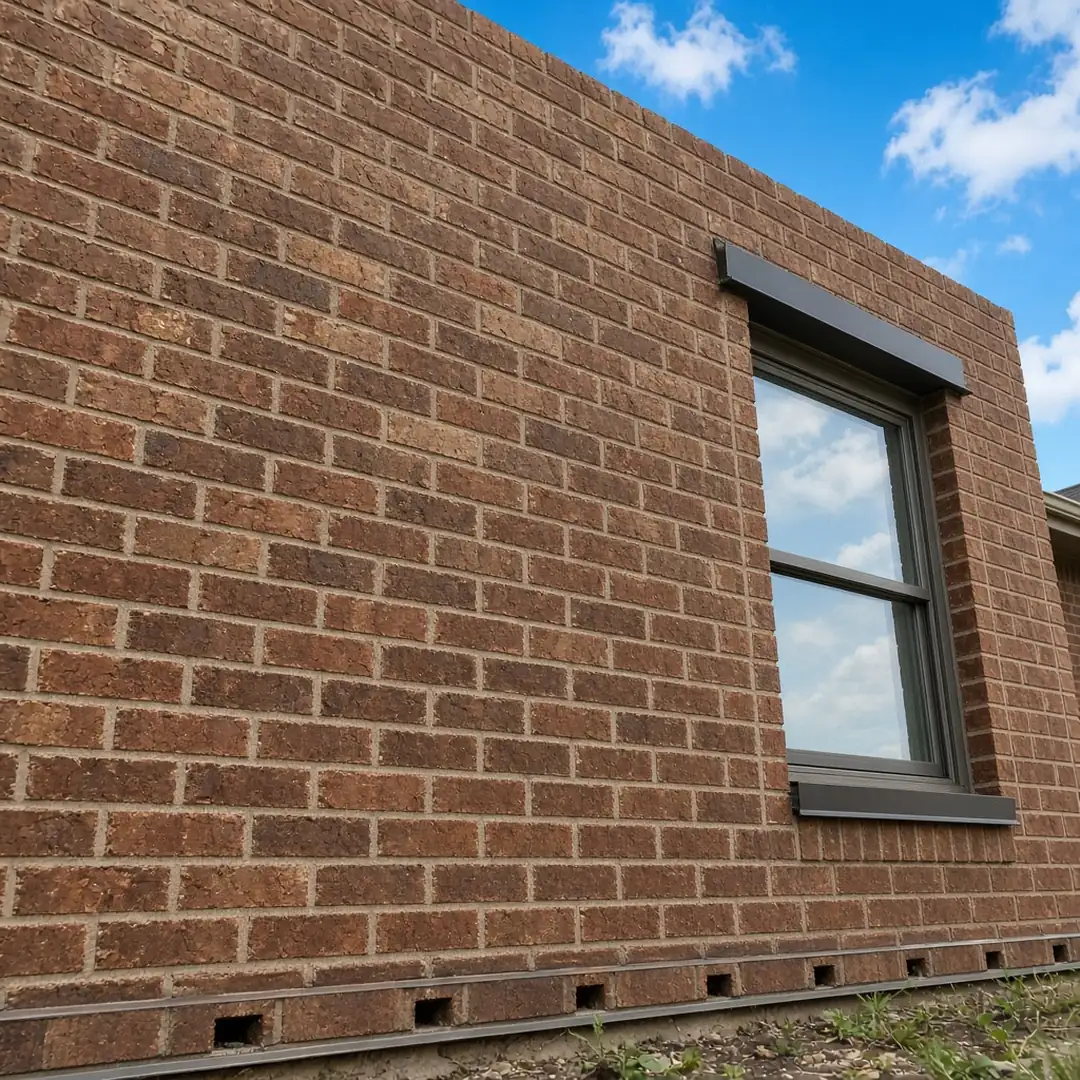
- Brick and stone veneer — common as a new-build facing, low-maintenance and UV-proof; the rocky west-side ground gives it less foundation movement to contend with than east-metro clay.
- Engineered wood — a warm wood look with good heat and pest resistance, used where a builder or owner wants grain without cedar's upkeep.
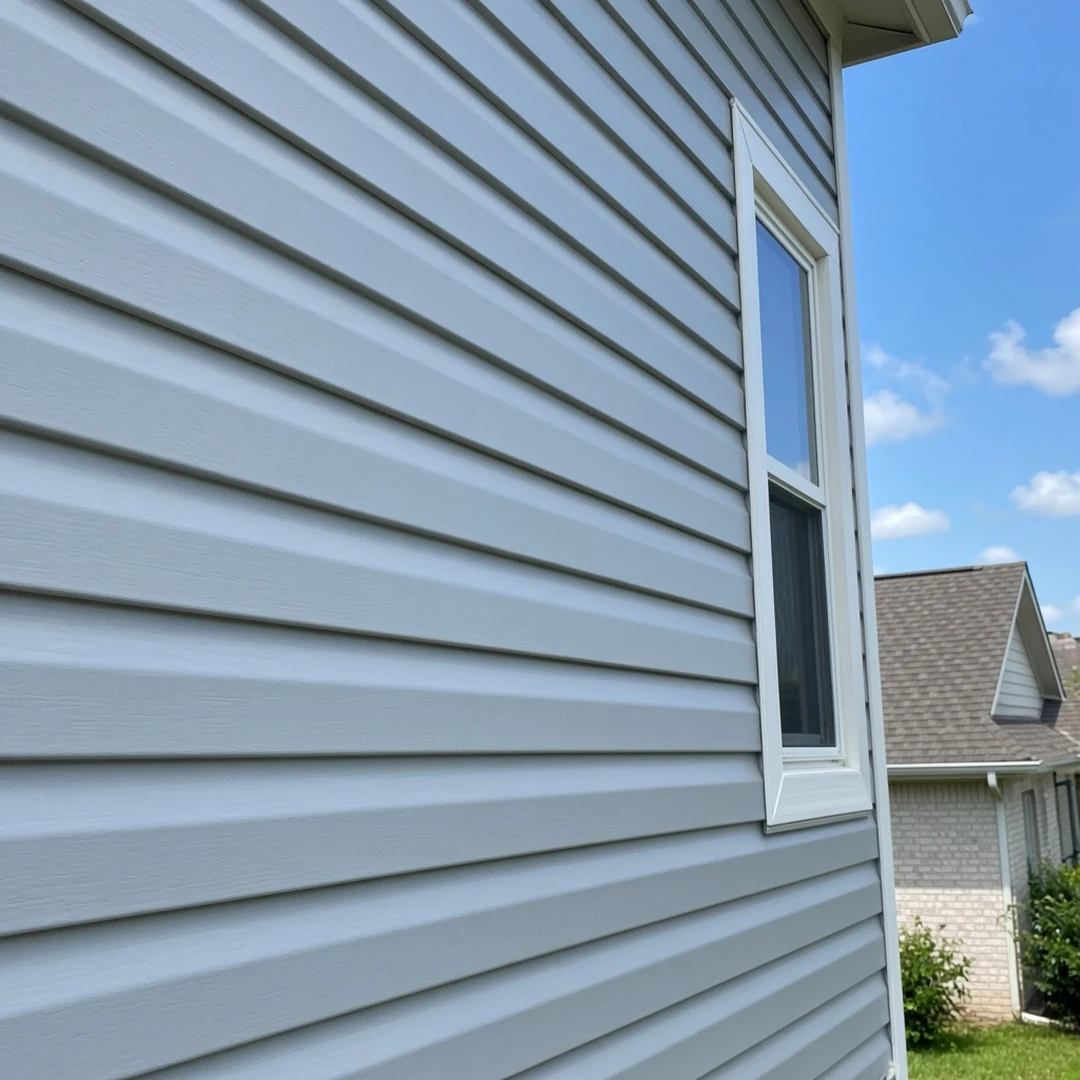
- Vinyl — a budget option, less common on Leander's newer stock.
- Metal — reflective and impact-resistant, seen on modern and Hill Country designs.
Siding services in Leander
Siding installation in Leander
Installation leads the work, on the subdivisions still being built and on additions. A sound install is all in the details behind the panels — house wrap, flashing at every opening, correct fastening — which on a new build is exactly where corners get cut, so those details are what determine how a Leander wall holds up over the decades to come.
Siding replacement in Leander
Full replacement is uncommon in Leander because the housing is so new, but it happens where a builder-grade material has underperformed or storm damage runs deep. When it does, fiber cement is the usual choice, matched to the neighboring homes.
Siding repair in Leander
On near-new homes, repair most commonly means fixing a build-era detail — a flashing gap, a missed caulk line — or replacing a panel cracked in a storm, before water works behind otherwise sound fiber cement. Small, targeted work that protects a young wall.
Storm and hail damage repair in Leander
After a spring storm, siding is checked alongside the roof for cracked or loosened panels and for water driven behind the cladding, with damaged sections replaced and the weather barrier restored.
Common siding problems in Leander
- Build-era flashing or caulk gaps letting water behind otherwise sound new fiber cement.
- UV fading on sun-facing walls, even on newer material, over time.
- Panels cracked or loosened by spring hail.
- Separated trim and open seams as heat cycles the joints.
- Less foundation-driven cracking than east-metro suburbs, thanks to the rocky Edwards-side ground.
Siding Contractors Serving Leander
The following companies provide siding work in the Leander area. Listings are independent contractors and are provided for information only; verify current details directly with each company.
Listings are independent contractors shown for information only — no endorsement is implied, and there is no call-to-action attached to any listing. Verify current details directly with each company.
What to look for in a Leander siding contractor
In a fast-growing market, verifying a contractor matters even more, because demand draws transient crews. Confirm:
- General liability insurance direct from the insurer.
- Verifiable Leander-area references you can check.
- A written scope that covers the work behind the panels — on a new build, the house wrap, flashing, and fastening are where quality is won or lost.
- Specific-failure diagnosis — if you're addressing a builder-era defect, a contractor who identifies the exact failure point rather than proposing to re-side the whole house.
- No storm-chaser tactics — no on-the-spot signing pressure, large deposits, or deductible offers (illegal in Texas).
Call Us Now for a Siding Contractor in Leander
Need to reach a siding contractor in Leander for installation, repair, or storm damage? Call Us Now and get connected with a local pro serving the Leander area.